Introduction
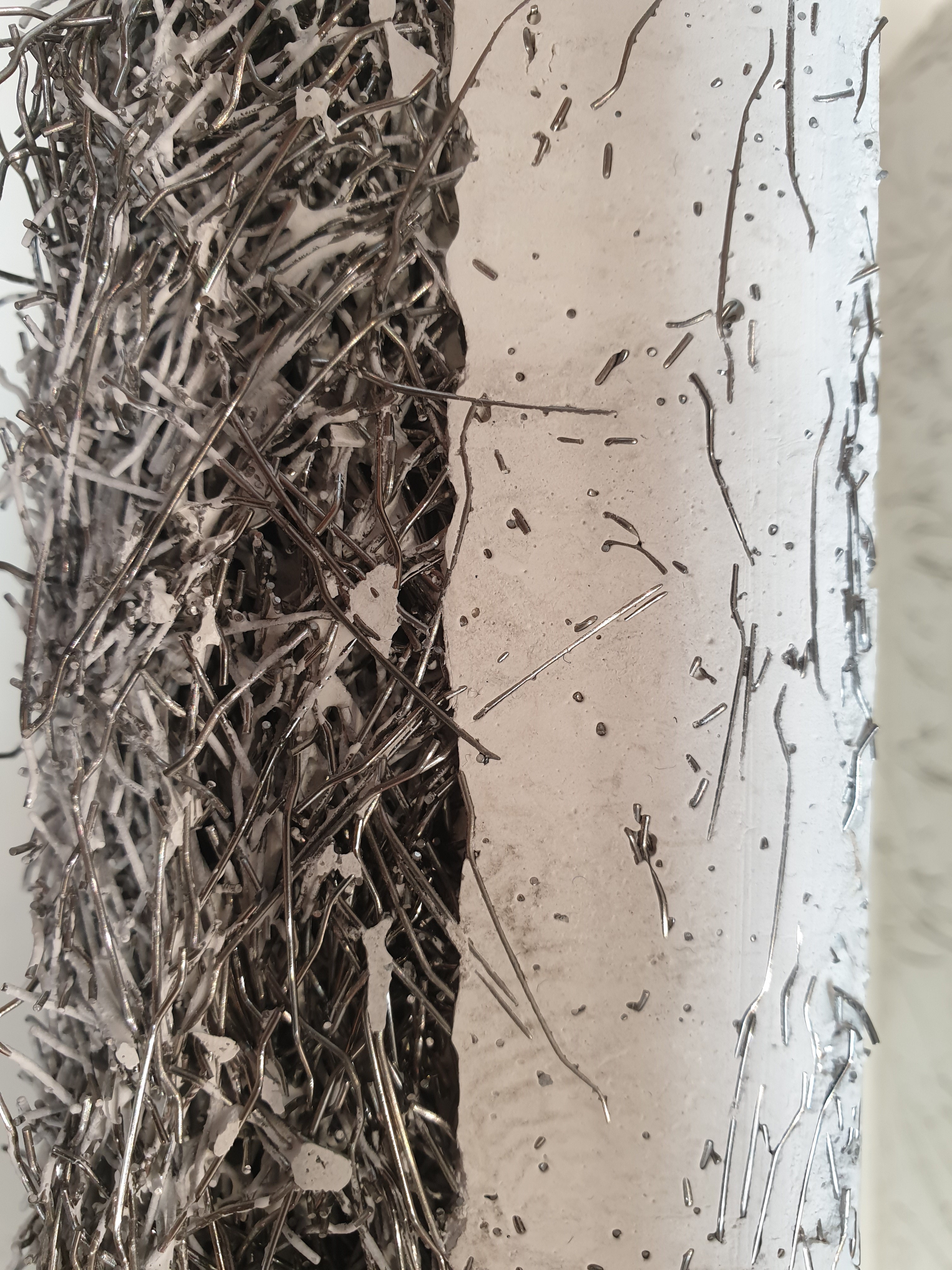
In the realm of materials science, steel fibres have emerged as critical components in enhancing the properties of concrete and other composites, particularly in high-temperature applications. The manufacturing process of steel fibres for refractory use is a specialized field that aims to produce durable, resilient products capable of withstanding extreme thermal conditions. This article delves deeply into each facet of this manufacturing process, exploring the techniques, machinery, and quality control measures involved. Let's unravel the complexities behind creating these Steel Fibres for Refractories Optimised Fibres indispensable materials that play a vital role in various industries.
The Manufacturing Process of Steel Fibres for Refractory Use
Steel fibres serve a crucial role in improving the mechanical properties of refractory materials. They enhance tensile strength, reduce cracking, and improve overall durability. But how exactly are these steel fibres manufactured? The manufacturing process begins with selecting high-quality raw materials, typically low-carbon steel or stainless steel.
1. Selection of Raw Materials
1.1 Types of Steel Used
Low-carbon steel is commonly preferred due to its ductility and cost-effectiveness. Other options include:
- Stainless Steel: Offers excellent corrosion resistance. High-Carbon Steel: Provides enhanced strength but can be brittle.
1.2 Quality Control in Material Selection
Ensuring that the raw materials meet specific standards is crucial. Manufacturers often conduct tests to evaluate:
- Chemical Composition Mechanical Properties Surface Finish
2. Melting and Alloying Process
2.1 Induction Furnace Melting
One common method involves melting steel using induction furnaces, which provide precise temperature control.
2.2 Alloying Elements
During the melting process, alloying elements may be added to enhance specific properties like heat resistance or tensile strength.
3. Casting Techniques
3.1 Continuous Casting
This technique allows for the production of long strands of metal that can be further processed into fibres.
3.2 Ingot Casting
An alternative where molten metal is poured into molds; however, it’s less efficient than continuous casting for producing steel fibres.

4. Wire Drawing Process
After casting, the next step is wire drawing—a critical phase in transforming large metal strands into fine wires:
4.1 Drawing Machines
These machines pull the metal through progressively smaller dies to achieve the desired diameter.
4.2 Reduction Ratios
Understanding reduction ratios is essential for achieving specific wire gauges while maintaining strength.
5. Cutting Techniques for Fibre Production
Once drawn to specification, Steel Fibres wires need to be cut into manageable lengths:
5.1 Shearing vs Laser Cutting
- Shearing is fast and efficient for bulk production. Laser cutting offers precision but at a higher operational cost.
6. Surface Treatment Processes
To ensure optimisedfibres.com Steel Fibres adhesion within refractory matrices, surface treatment may be required:
6.1 Coating Methods
Common coatings include:
- Zinc Coatings: Enhance corrosion resistance. Epoxy Coatings: Improve bond strength with concrete mixes.
7. Quality Assurance Measures
Quality assurance throughout the manufacturing process is paramount:
7.1 Testing Procedures
Standard tests include:
- Tensile Testing Bend Testing Surface Roughness Measurements
8. Applications of Steel Fibres in Refractory Materials
Steel fibres are employed in various refractory applications due to their superior properties:
8.1 High-temperature Furnaces
Used extensively in lining furnaces and kilns due to their ability to withstand thermal shock.
8.2 Industrial Ovens and Incinerators
They help increase structural integrity under extreme conditions.
9. Environmental Considerations in Manufacturing
Manufacturers must consider environmental impacts during production:
9.1 Waste Management Practices
Implementing recycling processes can minimize waste generated during manufacturing activities.
9.2 Energy Efficiency Techniques
Utilizing energy-efficient equipment can reduce carbon footprints significantly during production cycles.
10. Economic Impact of Steel Fibres Manufacturing
The economic aspects surrounding this industry cannot be understated:
10.1 Cost Analysis
Conducting a thorough cost analysis helps manufacturers remain competitive while ensuring quality output:
| Factor | Cost Implications | |----------------------|--------------------| | Raw Materials | Variable | | Labor Costs | Significant | | Equipment Investment | High |
Conclusion
The manufacturing process of steel fibres for refractory use encompasses several complex stages from raw material selection through various processing methods such as melting, alloying, casting, drawing, cutting, treatment processes, and quality assurance measures to ensure optimal performance in high-temperature applications.
FAQs
Q1: What are steel fibres?
A: Steel fibres are small pieces of steel used to reinforce concrete or other composite materials by improving their mechanical characteristics such as tensile strength and toughness.Q2: Why are steel fibres used in refractory applications?
A: They enhance durability and resistance to thermal shock, making them ideal for high-temperature environments like furnaces and kilns.Q3: How are steel fibres manufactured?
A: The manufacturing process includes selecting raw materials (often low-carbon or stainless steel), melting them down using induction furnaces or other methods, drawing them into wires, cutting them into specific lengths, and applying surface treatments if necessary.Q4: What testing procedures do manufacturers follow?
A: Common testing procedures include tensile testing for strength assessment and bend testing for flexibility evaluation among others., focusing on ensuring product quality before reaching consumers.Q5: Are there environmental concerns associated with steel fibre production?
A: Yes! Manufacturers must address issues like waste management practices and energy efficiency techniques to reduce their environmental impact during production processes effectively.Q6: What industries primarily utilize steel fibers?
A: Industries such as construction (for concrete reinforcement), ceramics (for improved mechanical properties), automotive (in brake pads), aerospace (in heat shielding), among others utilize these versatile materials extensively due to their unique advantages over traditional reinforcement methods.